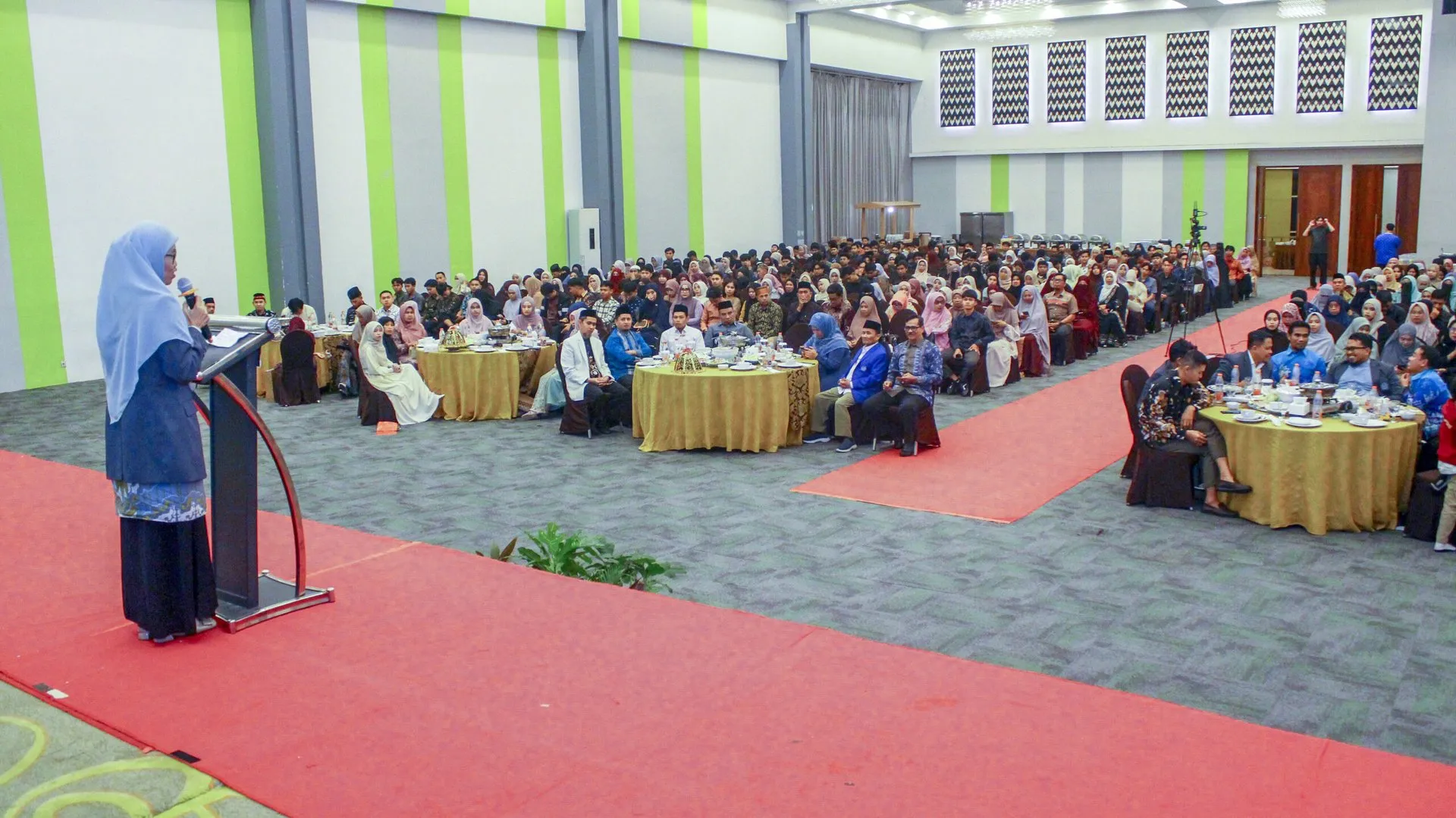
FAI Family Law Program at Unismuh Conducts Online Field Assessment, Aiming for Excellent Accreditation
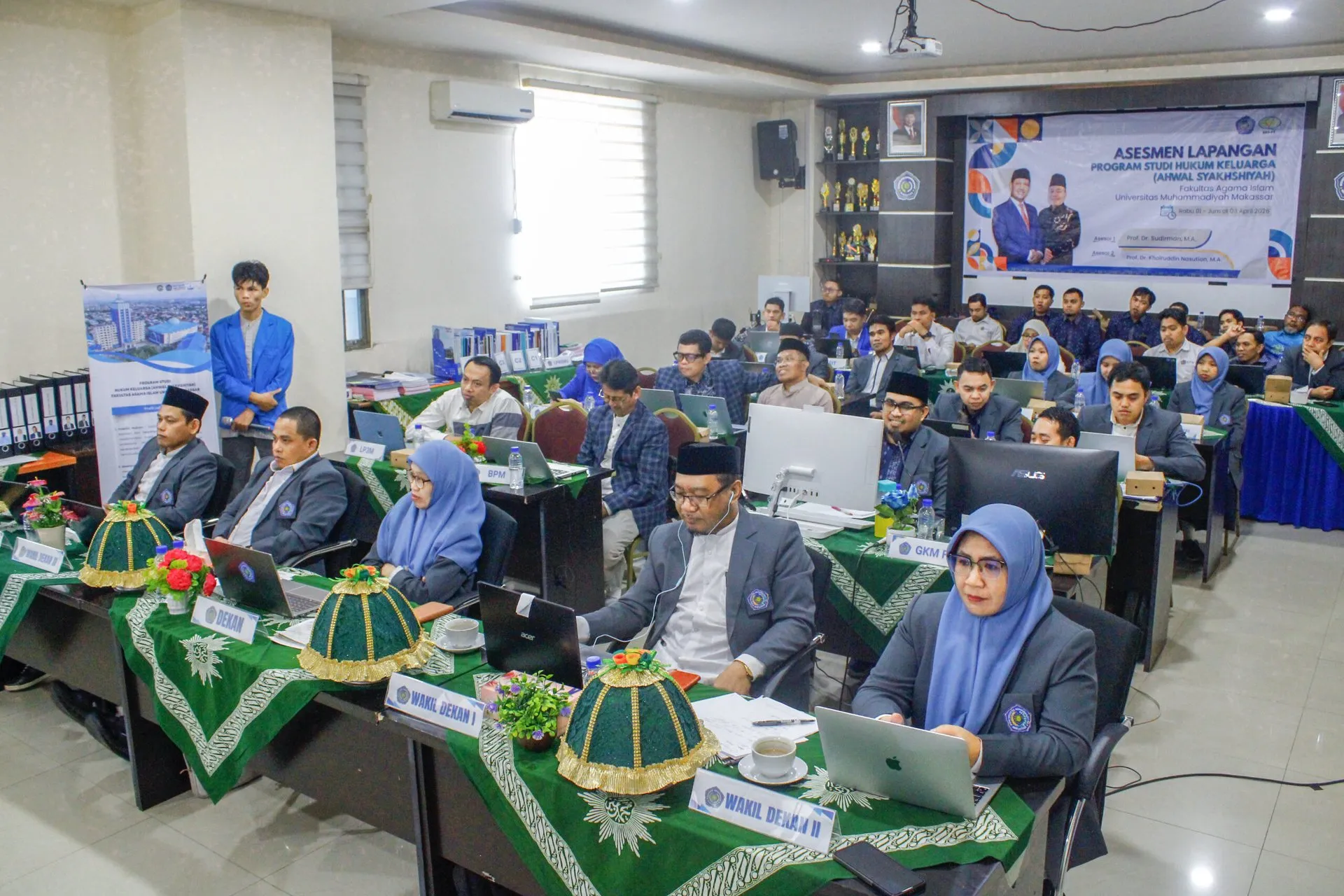
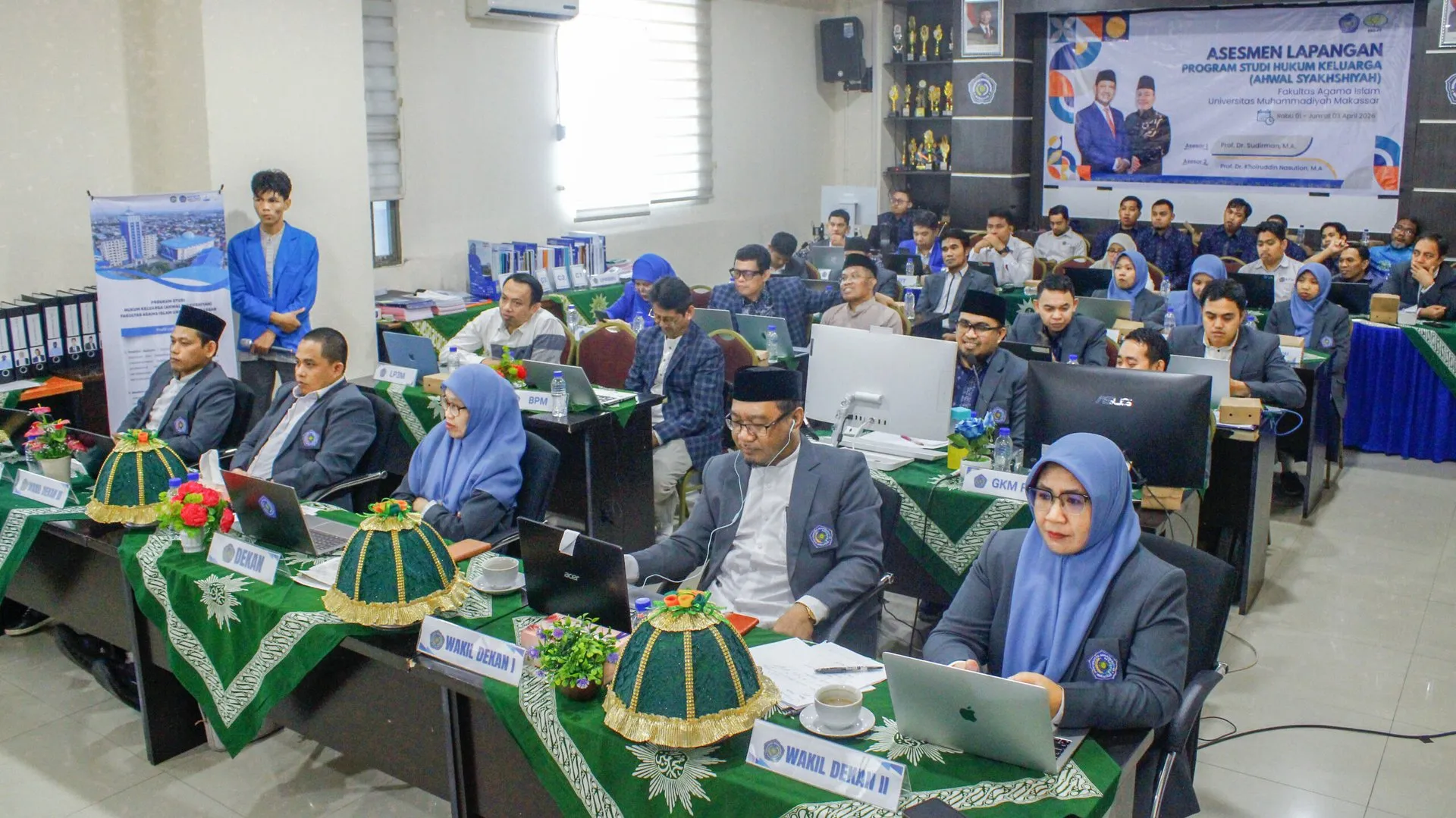
Makassar – The Faculty of Islamic Law (Akhwal Syakhshiyah) of the Muhammadiyah University (Unismuh) of Makassar, Department of Sharia Law, is undergoing an on-site accreditation assessment from Wednesday to Friday, April 1-3, 2026. This visit signifies that the quality of a higher education institution is not merely maintained through academic work, but also must be proven through consistent data, valid documents, and accountable governance.
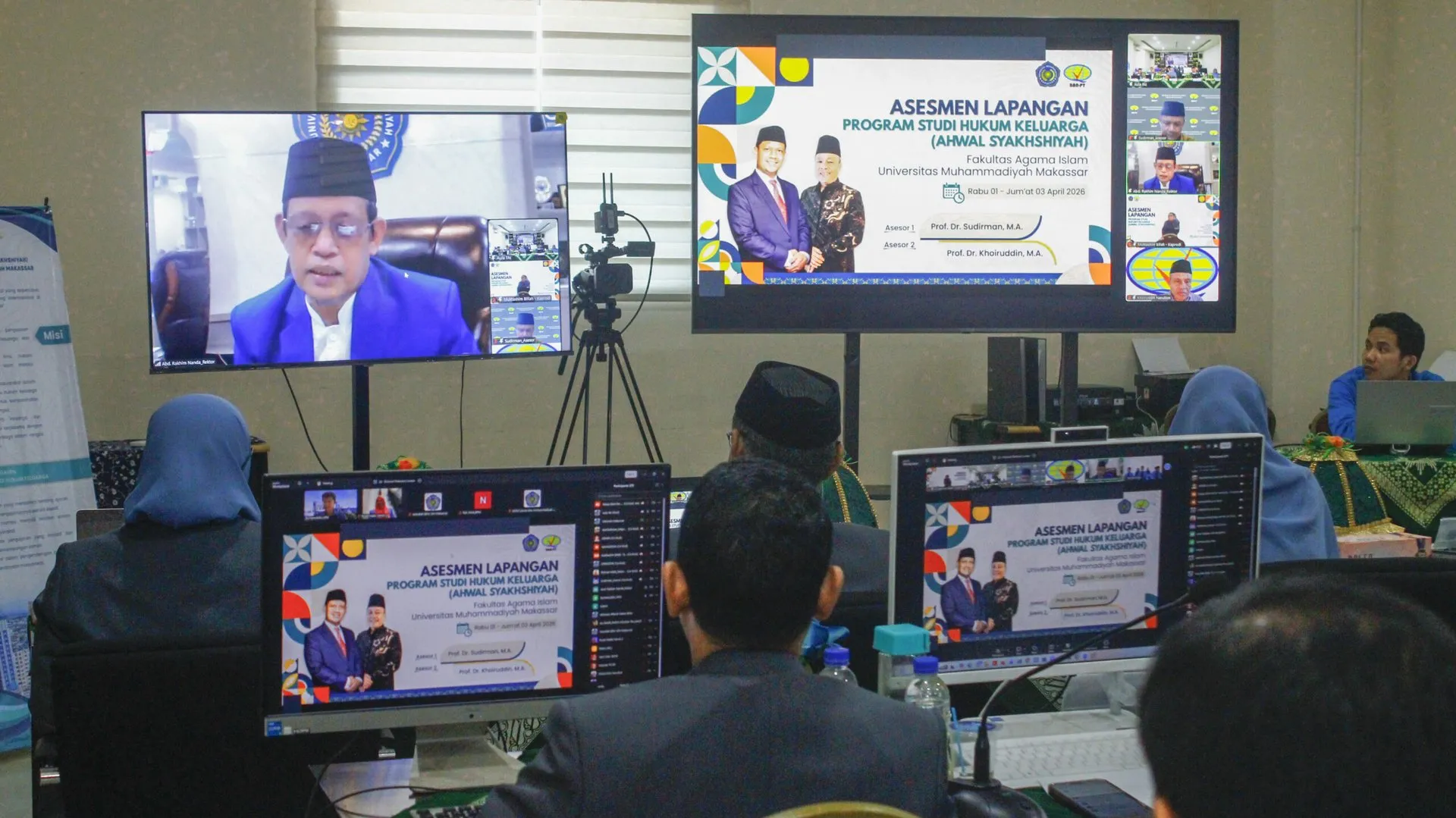
The two assessors assigned to the visit are Prof. Dr. Sudirman, M.A., and Prof. Dr. Khoiruddin Nasution, M.A. They conducted the assessment virtually alongside the university's leadership, the faculty's leadership, program management, quality assurance units, lecturers, students, alumni, and graduates.
In the opening of the assessment, Rector of Unismuh Makassar, Dr. Abd. Rakhim Nanda, stated that the visit was framed within the broader context of institutional development. He outlined the university's strategic direction, which, according to him, was based on improving governance, digital transformation, and expanding international competitiveness. "Our first strategic focus is strengthening governance based on governance principles, followed by digitalization of education and administrative processes, and then increasing international competitiveness," said Rakhim.
For Unismuh, an on-site assessment of a program of study is not a standalone event. It is part of the university's long-term efforts to manage institutional quality in the face of growing program numbers and increasingly stringent quality demands. Rakhim noted that, after having 58 programs in the previous year, Unismuh has now grown to 73 programs. In this context, each accreditation visit is viewed as part of the quality consolidation that must be carried out seriously.
Specifically for the Faculty of Islamic Law, Rakhim assessed that the foundation for its development was strong. He mentioned that several programs within the FAI had achieved "Excellent" accreditation, while the Sharia Law program is expected to achieve a higher rating.
"The Faculty of Islamic Law today has Arabic language program with "Excellent" accreditation, as well as Sharia Law. Then Family Law has been accredited twice, currently at "Good", but previously aimed for "Very Good", but we advised the faculty to prepare it well, hopefully today it can follow its kakak-kakak (elder siblings) from the Faculty of Islamic Law," he said.
This statement shows that accreditation is not just about obtaining a status, but also about academic readiness, management quality, and the program's ability to maintain continuous improvement. In simpler terms, the assessment results are a portrait of how well a program of study manages itself.
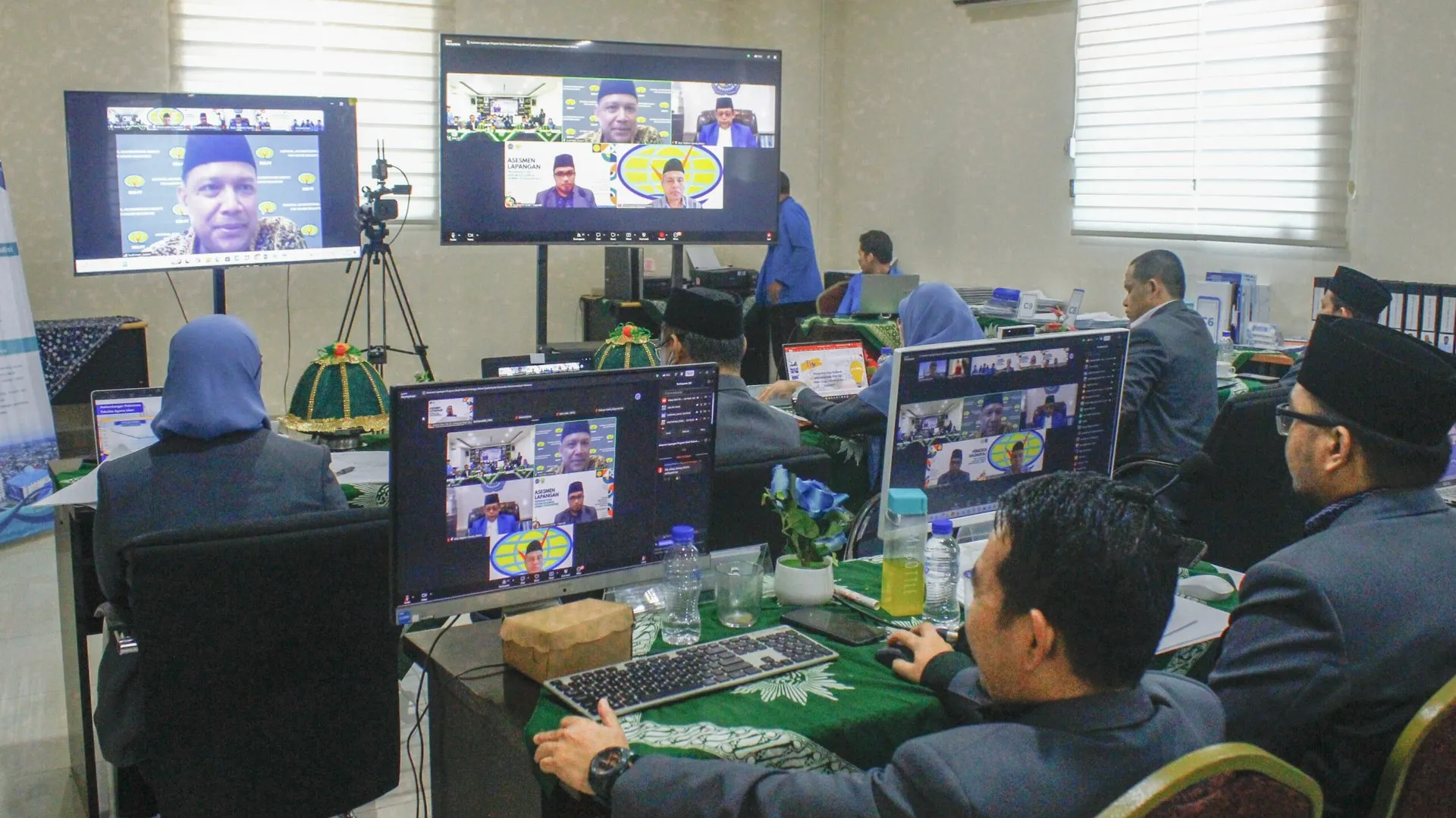
Assessor I, Prof. Dr. Sudirman, M.A., affirmed that an on-site assessment is a routine process in the accreditation system. According to him, this type of visit is not just about finding shortcomings, but to ensure that the submitted data is truly aligned with the actual conditions on the ground. "The on-site accreditation assessment for the Sharia Law program at Unismuh Makassar is a normal and common process undertaken to ensure academic quality," said Sudirman.
He explained that the assessment team will confirm and clarify various documents submitted, including the latest data updates. This step is important to ensure that the assessment is based on the most up-to-date data, rather than relying on outdated documents. "Today, I and Prof. Rudin will ask many questions and confirm the latest data that we requested to be updated," he said.
Sudirman even highlighted the quick response of the Sharia Law program team in preparing the updated documents. For the assessor, this speed not only shows technical preparedness, but also demonstrates the seriousness of the program management in facing the accreditation process. "Alhamdulillah, the team from Prof. Kaprodi is super fast, they have already finished. However, there will be confirmation sessions about supporting data to strengthen the best possible assessment," he said.
Even though the assessment is conducted remotely, it is still designed to touch all the main elements of the assessment. After the opening session, the assessors are scheduled to conduct in-depth discussions with the faculty leadership, program heads, and other supporting units. In the subsequent session, the assessment is expanded through interviews with lecturers, students, alumni, and graduates. This pattern shows that the quality of a program of study is not only read from the administrative desk, but also tested through the experience of those involved directly in it.
In a warm atmosphere, Sudirman also expressed his desire to visit Makassar. "We and Prof. Khoiruddin really want to be there. We want to see the greatness of our beloved university in person. However, due to many constraints, today I and Prof. Rudin will attend virtually," he said.
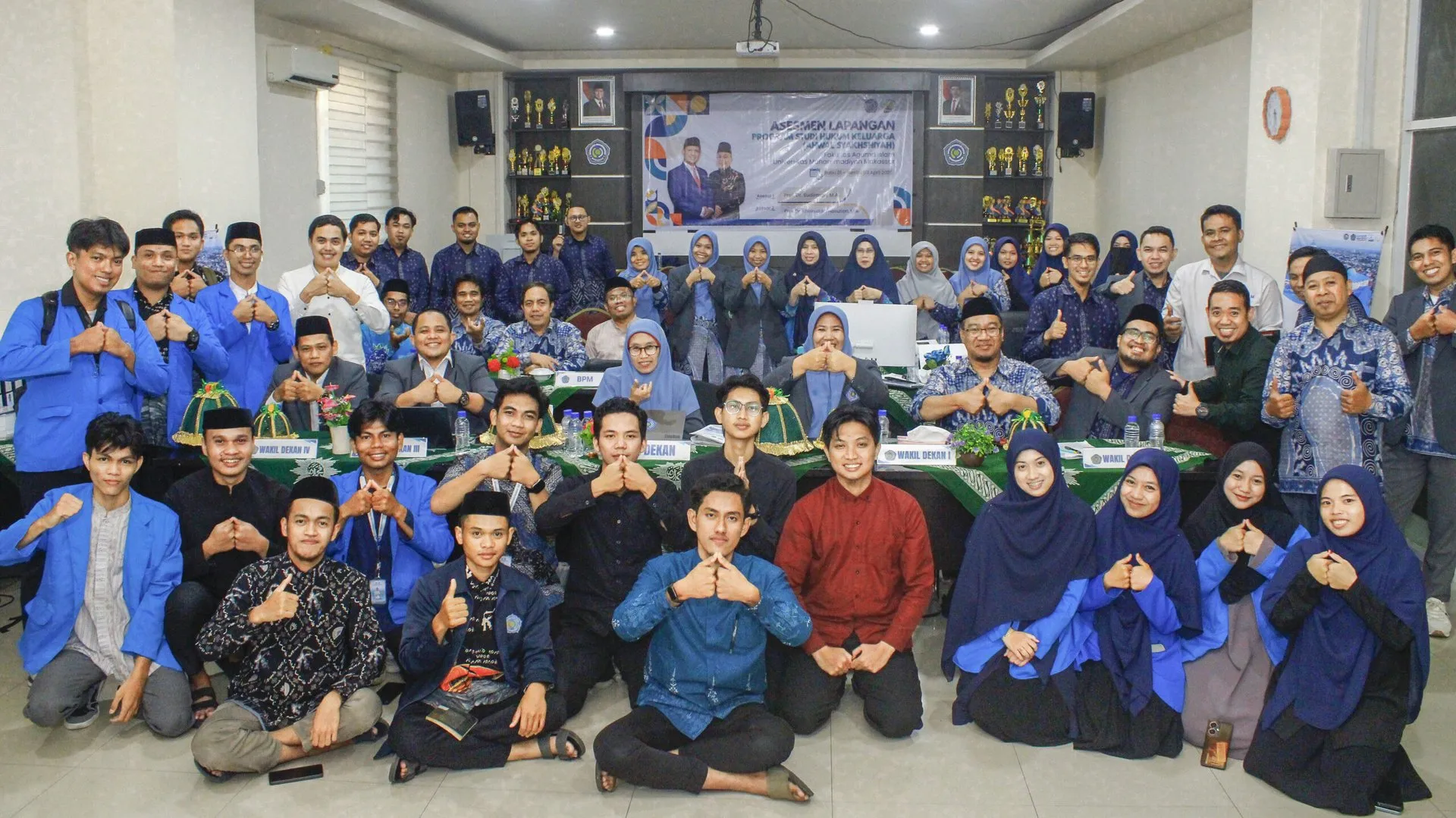
After the visit, Dr. Muktashim Billah, Lc., MH, the Head of the Sharia Law program, said, "The team has worked hard, and we hope to achieve "Excellent" accreditation. However, after this effort, we will trust in Allah SWT. Whatever the result, we will continue to pray for the program to achieve "Excellent"."
In conclusion, the on-site assessment for the Sharia Law program at Unismuh Makassar is not just about meeting accreditation requirements. It is a demonstration that academic work, governance, and educational services have been aligned. In the virtual space that brings together the assessor and academic staff, what is actually being tested is not just documents, but the consistency of a program of study in maintaining its quality over time.
Sustainable Development Goals


Related News
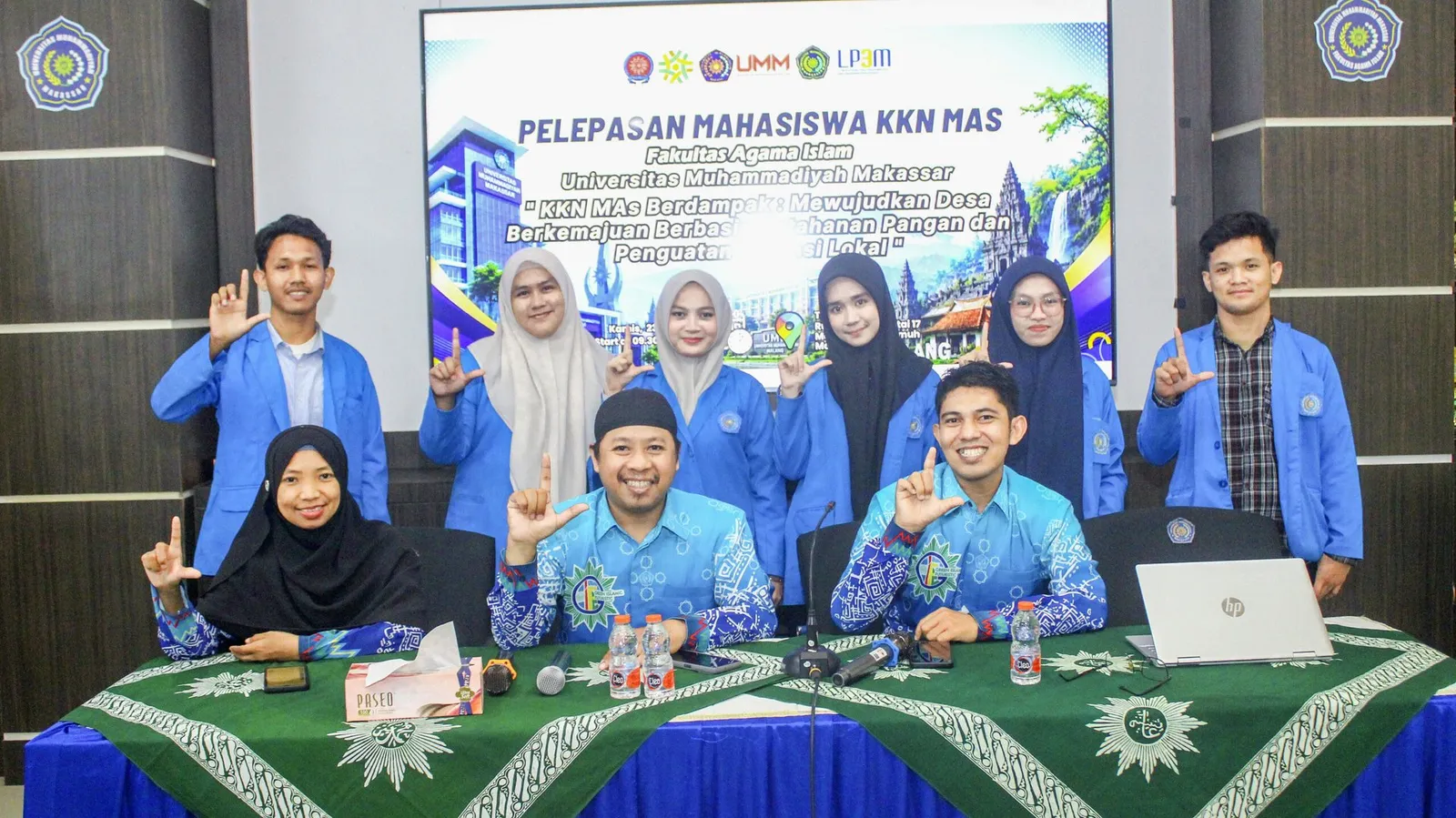
Resmi Dilepas, 6 Mahasiswa PBA Unismuh Makassar Ikuti KKN MAS 2026 di Kabupaten Malang
24 Jul 2026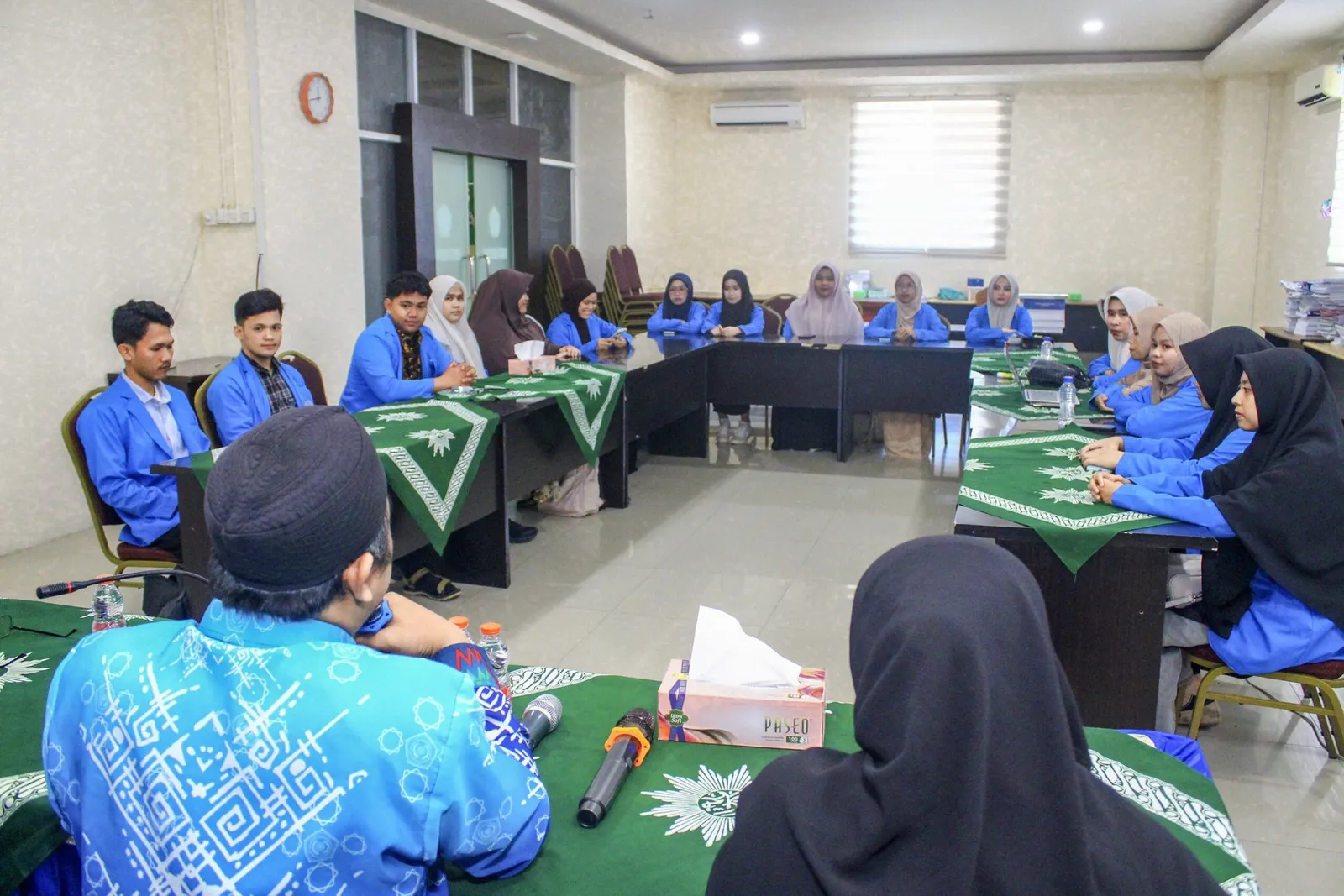
17 Mahasiswa PAI Unismuh Makassar Resmi Dilepas Ikuti KKN MAS 2026 di Kabupaten Malang
24 Jul 2026
Prodi Hukum Keluarga Unismuh Perbarui Kurikulum, Perkuat Kompetensi Kepenghuluan dan Peradilan Agama
23 Jul 2026